
Kako izgleda stabilna energija poslije 45
Otkrijte kako se energija mijenja u srednjim godinama i kako živjeti puniji život sa više vitalnosti, jasnoće uma i životne radosti.
Zašto je energija ključna nakon 45. godine
Tijelo se mijenja
U srednjim godinama metabolism se usporava, mišići se smanjuju, a hormonske razine se mijenjaju. Razumijevanje ovih promjena ključno je za održavanje energije i dobrobiti.
Mentalna jasnoća je važna
Mnogi ljudi doživljavajupad u fokusu ili mentalnom umoru. Stabilna energija vam omogućava da ostanete produktivni, kreativi i mentalno oštri tijekom dana.
Kvaliteta života raste
Kada imate stabilnu energiju, uživate u aktivnostima više, gradite bliže odnose i osjećate se motiviraniji za budućnost. To je temelj za ispunjen život.
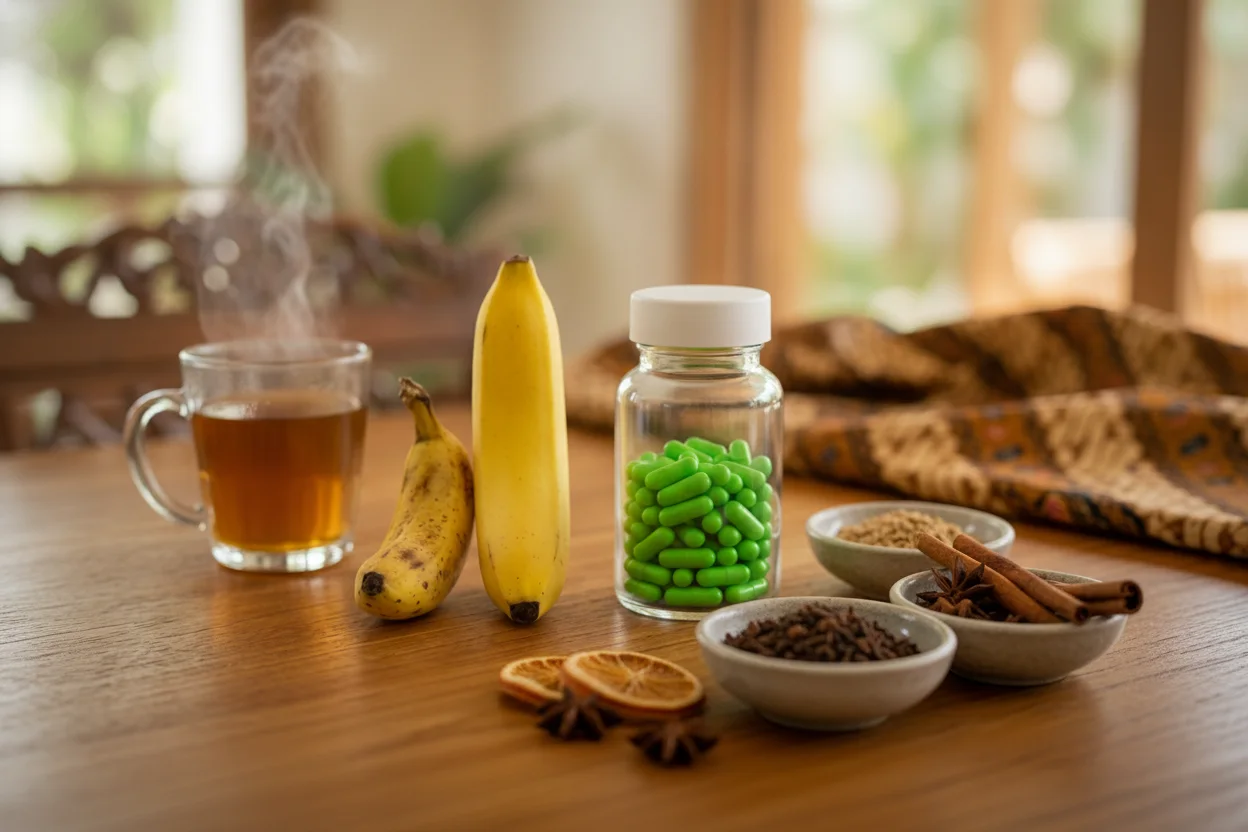
Razumijevanje fizičke transformacije
Telo nakon 45. godine doživljava značajne promene. Metabolizam se prirodno usporava, proizvodnja energije na staničnoj razini se smanjuje, a hormonske fluktuacije mogu utjecati na vitalnost. Ovo nije nešto što trebate prihvatiti kao neizbježno.
Kroz informirane izbore u prehrani, vježbanju, snu i mentalnom zdravlju, možete zadržati snažnu energiju i osjećati se mladošću i živostima. Ključ je prihvatiti promjene i prilagoditi svoj pristup zdravlju.
Naš vodič pokriva sve što trebate znati: kako optimizirati unos hrane, koje vrste vježbi donose najveće koristi, kako poboljšati kvalitetu sna i kako upravljati stresom za dugoročnu energiju.
Pet stupnjeva održive energije
Nutricionistička ravnoteža
Pravilna prehrana sa dovoljno proteina, mineralnih tvari i antioksidansa podržava energiju na staničnoj razini. Razumijevanje kako različite namirnice utječu na vašu energiju ključno je za održavanja stabilnosti kroz dan.
Ciljano vježbanje
Redovna vježba pojačava kardiovaskularnu funkciju, jača mišiće i poboljšava kvalitetu sna. Nakon 45 godina, fokus na fleksibilnost i jačinu čini razliku u svakodnevnoj energiji i izdržljivosti.
Kvalitetan san
San je kada se telo oporavlja i regenerira. Potrebni su kontinuirani, dubok san od 7-9 sati noćno. Tehnike za poboljšanje kvalitete sna mogu dramatično povećati dnevnu energiju i mentalne performanse.
Upravljanje stresom
Kronični stres iscrpljuje energiju brže nego što mislite. Prakse kao meditacija, duboko disanje i vremenske aktivnosti u prirodi pomažu vašem telu da se vrati u ravnotežu i čuva energiju.
Hidratacija i elektroliti
Dehidracija je česta uzrok pada energije koji se lako previda. Pravilni unos vode i ključnih elektrolita osigurava da vaše telo može proizvoditi energiju učinkovito i održavati fokus.
Društvene veze
Smisleni odnosi i aktivno socijalnim angažovanjem dokazano poboljšavaju raspoloženje i energiju. Čak i mali dogovori sa prijateljima mogu povećati duhovnu i fizičku vitalnost.
Trebate vodič za stabilnu energiju?
Naš detaljni članaka pokrivaju sve što trebate znati o održavanju energije nakon 45. godine kroz praktične savjete i znanstvene uvide.
Otkri sve člankeIskustva čitatelja
Čitao sam vodiče i počeo sam sa laganih vježbi i boljim snom. Nakon nekoliko tjedana, primjetio sam da se više ne osjećam umornim nakon ručka. Članci su mi dali mogućnost da razumijem što se mijenja u mom tijelu i kako se prilagoditi. Sada imam više energije nego što sam imao prethodnih godina.
Marko H., Zagreb
Kao žena od 48 godina, osjećala sam se kao da su mi srednje godine uzele gotovo sve moje energije. Savjeti o stresu i snu su mi zaista promijenili igru. Čini se kao mali koraci, ali zajedno su stvarno učinkoviti. Preporučujem ovaj sadržaj svima svojih godina.
Dijana Novak, Split
Nikada nisam razumio što se mijenja sa godinama. Članci o fiziologiji energije su mi otkrili zašto se osjećam drugačije. Početkom primjene savjeta o hrani i vježbanju, vidim stvarnu razliku. Osjećam se kao da sam ponovno sam sebi.
Goran Šimić, Rijeka
Puno radim i imam malo vremena za zdravlje. Ali vodiči su mi dali praktične savjete koje mogu brzo primijeniti. Posebno mi je pomoglo razumijevanje kako hidratacija i elektroliti utječu na moju energiju tijekom dana. Mali koraci, veliki rezultati.
Petar Mikulić, Osijek
Često postavljana pitanja
Zašto je energija manja nakon 45 godina?
Energija pada zbog više razloga: metabolism se usporava, proizvodnja ključnih hormona se smanjuje, a kvaliteta sna često se pogoršava. Osim toga, fizička aktivnost često se smanjuje, a stres može biti veći. To je prirodan proces, ali nije nešto na što trebate prihvatiti kao neizbježno.
Koliko se vremena trebam vježbati?
Preporučujemo minimum 150 minuta umjerene kardiovaskularne vježbe ili 75 minuta intenzivne vježbe tjedno, plus vježbe jačanja dva puta tjedno. Čak и kraće sesije redovito mogu napraviti veliku razliku. Konzistentnost je važnija od intenziteta.
Koliko vode trebam piti?
Opće pravilo je 8 čaša na dan, ali to se razlikuje po osobi. Dobra pravilo je piti dovoljno vode da je vaša urina blago žuta. Tijekom vježbanja trebate više vode. Ako ste dehidrirani, to može od bitan uzrok pada energije, tako da pazite na hidrataciju.
Jesu li sve vrste vježbi jednako dobre?
Različite vježbe pružaju različite koristi. Kardio poboljšava izdržljivost srca, vježbanje s utezima gradi mišiće, a joga i istezanje poboljšavaju fleksibilnost. Kombinacija sve tri je idealna. Odaberite aktivnosti koje vam se sviđaju kako bi ste ih mogli zadržati.
Mogu li vratiti svoju energiju ako je bila niska godinama?
Da, moguće je. Uz dosljednost, primjena ovih pet stupova može stvoriti značajnu promjenu. Čak i ako ste osjećali niska energija godinama, primjena ovih pet stubova može stvoriti dramatičnu promjenu. Važno je biti strpljiv — trebat će nekoliko tjedana da vidite rezultate, ali većina ljudi vidi poboljšanja u samo 3-4 tjedna redovnog rada.
Trebam li promijeniti sve odjednom?
Ne — zapravo je bolje početi s jedne stvari. Odaberite jedan od pet stupnjeva i fokusirajte se na njega tijekom dva tjedna, zatim dodajte drugu. Ovaj pristup je lakši za praćenje i izbjeć će vas preopterećenja.
Vaša putanja prema održivoj energiji
Razumijevanje vašeg stanja
Prvo morate razumjeti gdje ste sada. Što vas čini umornim? Kada u danu osjećate najveći pad energije? Čitajući članke o fizičkim promjenama, možete početi povezivati točke i razumjeti vlastito tijelo.
Odabir početne točke
Odaberite jedan od pet stupnjeva da počnete. Ako vam je san loš, počnite tamo. Ako niste aktivni, počnite s vježbanjem. Nemojte pokušati sve odjednom — fokusirajte se na jednu promjenu.
Provedba i praćenje
Slijedite savjete iz naših vodiča tijekom dva tjedna. Praćite kako se osjećate, primjećujete li promjene? Mnogi ljudi primjećuju pozitivne promjene u fokusu i energiji nakon nekoliko tjedana.
Dodavanje drugih oblasti
Kada ste se privikli na prvu promjenu, dodajte drugu oblast. Možda sada pokrenete vježbanje, ili poboljšate prehanu. Znate što radi, tako da nastavite s gradiranjem.
Održavanje i prilagođavanje
Čim postane rutina, postaje lakše. Nastavljajući čitati naše članke, učit ćete nove savjete i prilagođavati strategiju kako starjete. Energija je putovanje, ne destinacija.
Dugoročna vitalnost
Nakon mjeseci primjene ovih praksi, energija postaje vaša novi normala. Osjećate se jače, jasniji, i spremniji za nove izazove. To je pravi rezultat — ne trenutni porast, već dugoročna stabilnost.
Spremni ste li da počnete?
Naši detaljni vodiči i članci pokrivaju sve što trebate znati za održavanje stabilne energije nakon 45. godine. Počnite čitati i otkrijte kako transformirati svoju vitalnost.
O Peacefulrisehabits
Peacefulrisehabits je editorijalna platforma dedicirano informiranju čitatelja o održavanju energije, vitalnosti i dobrobiti tijekom cijelog života. Naš fokus je na praktičnim, dokazanim strategijama koje možete primjeniti odmah.
Vjerujemo da energija nakon 45 godina nije nešto što trebate odustati. Sa pravim znanjem i malim, dosljednim promjenama, možete zadržati — ili čak vratiti — dinamičnost i jasnoću koju ste imali godinama unazad.
Naši vodiči i članci prikupljeni su od različitih izvora vještina i iskustva, nudeći vam perspektivu koja je uzemljena u stvarnom životu, ne u laboratorijskoj teoriji.

Trebate više informacija?
Ako imate pitanja o našem sadržaju ili povratne informacije o članaka, slobodno nas kontaktirajte. Naš urednički tim je tu da vam pomogne.
Kontaktiraj nas